Key Takeaways
- Never ignore a workplace injury, no matter how minor it seems. Symptoms can worsen within hours or days, and what appears small can lead to chronic pain, nerve damage, or permanent joint problems if left untreated.
- Early medical attention is the single most important step. The sooner a proper diagnosis is made, the better the chances of a full recovery and safe return to work.
- Untreated injuries affect more than just your body. Lost income, reduced productivity, and mental health challenges like anxiety and stress are all real consequences of delayed treatment.
- Documentation protects you. Report the accident immediately, photograph the scene, gather witness statements, and keep records of every medical visit and treatment.
- Following your treatment plan matters as much as starting one. Stopping care too early is one of the most common reasons injuries become long-term problems.
- Prevention is always better than recovery. Regular safety training, proper PPE, ergonomic practices, and clean work areas significantly reduce the risk of workplace accidents.
- Workers’ compensation covers your care. Under Arizona law, eligible workers can receive treatment with no out-of-pocket expenses — there is no reason to delay seeking help.
The number of untreated workplace injuries that are increasing at the fastest rate is those that can cause a worker a lot of pain and swelling in a very short time frame. These injuries can cause a worker to be absent from work and, if not treated, have long-lasting effects on the worker.
Workplace injuries that are not treated can cause chronic pain and heal slowly. If you’ve experienced a work injury or have recently been involved in a workplace accident, it’s important to seek medical attention early to understand the extent of your injury and protect your long-term health., it is wise to seek early medical attention to find out what happened and to protect your health to ensure that you do not develop any further problems as a result of your workplace injury.
 Why Should Untreated Workplace Injuries Never Be Ignored?
 Why Should Untreated Workplace Injuries Never Be Ignored?
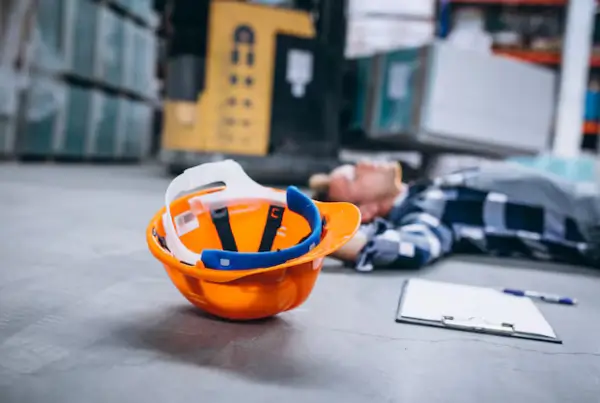
All workplace injuries have immediate and long-term effects. They can worsen rapidly and cause significant pain and disability in a very short time. In 2023 alone, 946,500 nonfatal workplace injuries and illnesses involved days away from work, according to the Bureau of Labor Statistics. A worker can develop a short-term problem with a minor injury and then go on to develop a long-term health problem.
Untreated workplace injuries can also have other consequences over time. Inflammation can increase. Mobility can decrease. In some cases, the tissues can fail to heal properly. Many people are forced to live with chronic pain because of their untreated work-related injuries. The impact of their workplace injury can extend to their ability to complete daily tasks at work and at home.
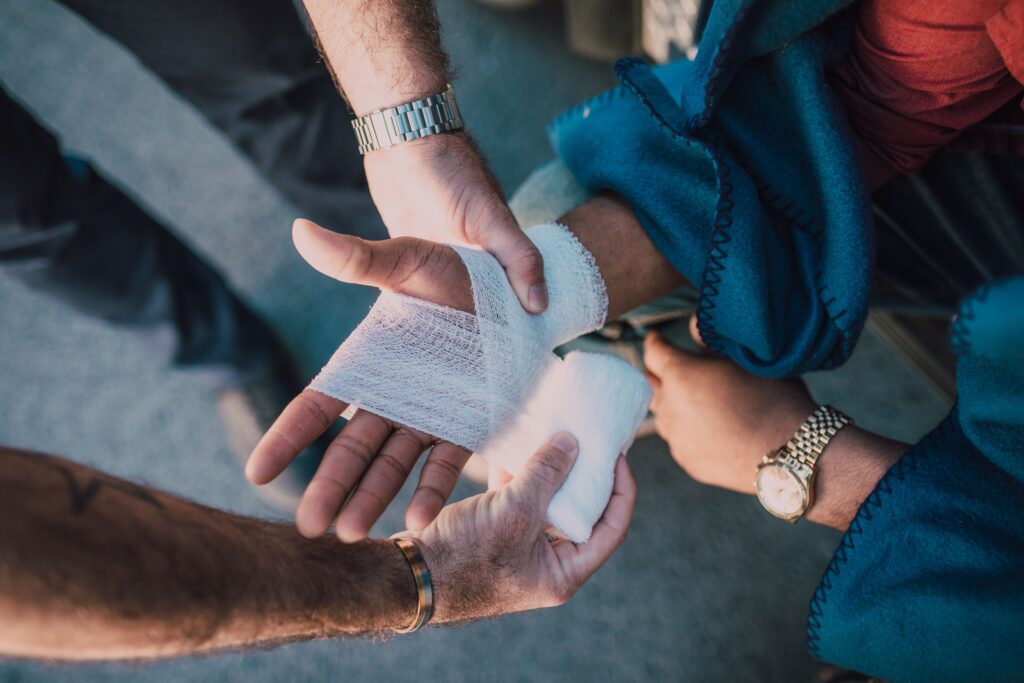
The best way to prevent complications after a workplace injury is to seek care from a qualified medical professional or personal injury clinic as soon as possible. Early diagnosis and treatment can improve recovery and reduce the risk of long-term complications. of an untreated workplace injury and to ensure that you are recovering optimally from a workplace injury is to seek the advice of a medical professional as soon as possible.
The Long-Term Impact of Workplace Injuries
There are many long-term effects of workplace injuries. Some of these effects can last for the rest of a person’s life and shape how they live. Some of the most common long-term effects of workplace injuries are chronic pain and discomfort, reduced mobility and flexibility, and, in some cases, even permanent damage to a joint or nerve. In many cases, the long-term impact of workplace injury can also cause mental health problems for workers, including anxiety and stress.
Long-term Health Effects of Workplace Injury or Illness. The long-term impact of workplace injuries can last for many years, affecting:
- Chronic pain and discomfort
- Reduced mobility and flexibility
- Permanent joint or nerve damage
- Mental health challenges such as anxiety and stress
- Decreased productivity and work performance
The long-term impact of workplace injuries can be worse if not treated properly. The earlier a worker receives a proper diagnosis of their injury from a qualified medical doctor, the better — one 2025 study of workers’ compensation claims found that delaying physical therapy more than 30 days after a back injury was associated with a median disability duration of nearly 35 weeks, roughly four times longer than the 8-week median seen when care started within 7 days.
Understanding the Impact of Workplace Injury on Daily Life
- For individuals who suffer from physical pain because of a work-related injury, simple physical activities like movement, lifting, and daily tasks can be hindered. Additionally, the physical demands of recovery from a work-related injury can be affected by physical limitations, restricting a worker’s ability to return to work safely and perform normal work duties in the long term.
- Many people ask, “What are the potential impacts of having an accident at work?” The stress of having a workplace injury can affect a worker’s mental health, the loss of income from being off work due to injury, and the expense of required medical treatment for their injury.
- Early treatment can prevent the worsening of the worker’s symptoms and help them return to work in a safe and timely manner.
- Early treatment of a work-related injury can help minimize the long-term effects of the injury and allow the worker to return to work safely in the long term.
What to Do After a Workplace Accident?
You must have a question in your mind about what to do after a workplace accident. Here are the points given below:
1. Report the Accident Immediately
Notify your supervisor or employer as soon as possible. Your employer or supervisor should then record an accurate account of the incident.
2. Seek Medical Attention
Even seemingly minor injuries can reveal themselves hours or days later. It is very important to get a medical assessment as soon as possible after a workplace injury.
3. Document Everything
Documentation is key. Take pictures of the scene where the accident occurred. Get a statement from any witnesses. Also, document and keep a record of all your medical treatments and appointments.
4. Follow Your Treatment Plan
After your initial treatment, continue following your healthcare provider’s recommendations. Attending physical therapy, taking prescribed medications, and following your rehabilitation plan can help restore strength, improve mobility, and support a safe return to work for a complete recovery of your injury and safe return to work.
The important steps to take after a workplace accident will help prevent further problems and help to avoid any long-lasting health effects.
How to Prevent Workplace Injuries?
Prioritize Safety Training
Regular safety training not only makes employees more aware of potential hazards and the procedures to follow in an emergency but also helps prevent workplace accidents.
Use Protective Equipment
Use Protective Equipment. Using the right Personal Protective Equipment (PPE) can prevent many different types of injuries.
Maintain Clean Work Areas
Keep your workstation and the floor around you clean by removing items that could cause you to slip, trip, or fall, and by keeping your floors, walkways, and workstations free from debris and other hazards.
Encourage Early Reporting
Reporting any problems as soon as possible allows your employer to address safety issues before an accident occurs.
Promote Ergonomic Practices
Using proper lifting techniques and setting up an ergonomic workstation can help prevent strain-related injuries.
Preventing workplace injuries is the best way to prevent accidents and the consequences of untreated workplace injuries.
Conclusion
Workplace injuries can cause long-lasting pain and limited mobility. A workplace injury that seems minor at first can have serious consequences if left untreated. The impact of a workplace injury can increase dramatically the longer it goes without proper care.
Knowing how to treat your workplace injury and seeking proper medical attention as soon as possible are very important steps to ensure a proper and timely recovery from your work-related injury.
FAQs
What are the 5 most common injuries in a workplace?
The 5 Most Common Injuries in the Workplace and Their Long-Term Effects. Slips and falls are one of the most reported workplace accidents and are often caused by poor housekeeping. This type of injury can lead to several long-term effects, including chronic pain, back problems, broken bones, and emotional trauma. Strains and sprains can also have long-lasting consequences and are commonly caused by.
What are the long-term effects of injuries?
Chronic problems such as pain and limited mobility can develop from untreated injuries. Other problems that can develop from untreated work injuries are nerve damage and even arthritis. These problems can affect a person’s daily activities, even their work.
What are the 8 common causes of workplace accidents and injuries?
Slips and falls; poor housekeeping; improper lifting; lack of training; misuse of equipment; worker fatigue; lack of proper protective equipment; and exposure to hazardous materials or substances.
What are the 5 most common injuries in a workplace?
The 5 Most Common Injuries in the Workplace and Their Long-Term Effects. Slips and falls are one of the most reported workplace accidents and are often caused by poor housekeeping. This type of injury can lead to several long-term effects, including chronic pain, back problems, broken bones, and emotional trauma. Strains and sprains can also have long-lasting consequences and are commonly caused by.
What are the long-term effects of injuries?
Chronic problems such as pain and limited mobility can develop from untreated injuries. Other problems that can develop from untreated work injuries are nerve damage and even arthritis. These problems can affect a person’s daily activities, even their work.
What are the 8 common causes of workplace accidents and injuries?
Slips and falls; poor housekeeping; improper lifting; lack of training; misuse of equipment; worker fatigue; lack of proper protective equipment; and exposure to hazardous materials or substances.