Even though car accidents only last a second, the pain they cause can last for months. Your body has been through a lot of damage. It doesn’t matter if you are left with soreness, stiffness, or something more serious, like a herniated disc or whiplash. Physical therapy is often the most important thing that accident survivors do to get their lives back.
We explain how physical therapy for injuries from a car accident works, what to expect, and how it can help you get better for good, not just for a short time.
Why Car Accident Injuries Demand More Than Rest
People often make the mistake of thinking that rest will fix their injuries after a car accident. Injuries to muscles, joints, tendons, and the spine need active rehabilitation to heal properly, even though rest is important right after the injury.
If you don’t treat injuries right away, even minor ones, they can turn into long-term conditions. When soft tissues are hurt, scar tissue can form. When the body tries to compensate for pain, muscle imbalances occur. When inflammation isn’t treated properly, it can make it hard to move for a long time after the accident.
This is why structured physical therapy after a car accident is not only suggested but often necessary for a full recovery.
What Physical Therapy Actually Does for Car Accident Injuries?
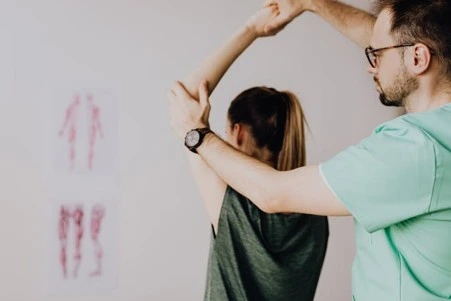
Physical therapy is more than just working out and stretching. It is a clinical method for helping your body move and function normally again. During the right course of treatment, these things happen:
Pain Management Without Relying on Medication
They do a lot of different things to get rid of the pain where it starts, not just hide it. Some of these include light therapy, heat and cold therapy, transcutaneous electrical nerve stimulation (TENS), and manual therapies such as soft tissue mobilization.
This can help a lot at the beginning of physical therapy for people with back pain after a car accident. As you heal, it becomes easier to do exercises that help you move around more.
Restoring Range of Motion
People often say they feel stiff after a car accident, mostly in their neck and lower back. Physical therapists create programs of stretching and movement that help you regain your range of motion over time. This is important for comfort and to prevent problems in the long run.
Rebuilding Strength and Stability
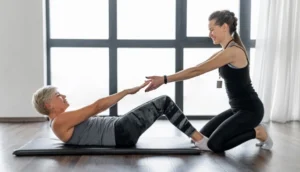
After an accident, the muscles that support your back and joints often get weaker. You are less likely to get hurt again, and your body will be able to work normally again after a targeted strengthening program helps rebuild that stability.
Correcting Posture and Movement Patterns
To make up for it, people who have been in accidents often change the way they move, such as walking differently, leaning to one side, or holding their neck at an odd angle. It takes time for these patterns to cause new problems. Physical therapists identify these issues and fix them before they become permanent.
Preventing Long-Term Complications
Acute injuries don’t have to turn into long-term conditions if they get physical therapy right away and regularly. Eliminating the causes of pain and dysfunction during the recovery period greatly reduces the risk of long-lasting issues such as persistent back pain, nerve problems, or natural joint changes over time.
Common Injuries Treated with Physical Therapy After an Accident
Physical therapy for accident injuries helps with a lot of different conditions, such as:
- Whiplash is one of the most common injuries in car accidents. It is caused by sudden forward and backward movements of the neck.
- Sheared or bulging discs are damaged to the spinal discs that can cause nerve pain all over the body.
- Sprains, muscle tears, and disc injuries in the lower back are very common after rear-end and side-impact collisions.
- Injury to the shoulder, such as rotator cuff tears and joint sprains from bracing during impact
- Many knee injuries happen when the driver hits the dashboard or steering column.
- Muscle strains, ligament sprains, and contusions all over the body are examples of soft tissue injuries.
- Train your vestibular system and balance to help with symptoms after a concussion.
Working with a Multidisciplinary Care Team
For more complex injuries, physical therapy works best as part of a broader care team. Many patients do better when their primary care doctor, an orthopedic specialist, a pain management clinic, and their physical therapist all work together and communicate to ensure the treatment is complete and effective.
Targeted pain management treatments, such as trigger point injections, nerve blocks, or regenerative therapies, can make it easier for patients to do physical therapy and get the most out of it. Results are usually much better when both aspects of care are addressed, such as pain management and functional rehabilitation.
Taking the First Step Toward Recovery
Injury from a car accident doesn’t heal on its own; it depends on how well you take care of it. Physical therapy is a structured, evidence-based way to get better, whether you have a stiff neck, back pain that won’t go away after a car accident, or a more serious injury.
Do not wait to see how things progress. The sooner you start getting better after a car accident, the more likely it is that you will be fully recovered. Get in touch with a qualified physical therapist or physical medicine clinic right away to set up an evaluation and get your life back.
FAQs
How Soon After a Car Accident Should I Start Physical Therapy?
As soon as your doctor says it's okay, preferably in the first one to two weeks. Starting early prevents bad movement habits from forming, reduces inflammation, and slows the growth of scar tissue. It's not too late if you wait longer, but getting treatment sooner always leads to better results.
How Long Does Physical Therapy Last After a Car Accident?
It depends on how hurt you are. Most mild soft-tissue injuries heal on their own within 4 to 6 weeks. It could take 6 to 12 weeks for mild injuries, such as whiplash or back sprains, to heal. Cases with more serious problems, such as nerve damage or disc damage, may take 3 to 6 months or longer. Most people go to two to three sessions a week, but as they get better, they go fewer and fewer.
How does physical therapy really help people who have been hurt in car accidents?
It gets rid of the cause of your pain, not just its signs. Physical therapy lowers pain, improves mobility, builds strength, and fixes the patterns your body forms to compensate after an injury. It does so through manual therapy, targeted exercises, and movement retraining. The goal is not just short-term relief, but a full recovery that lasts.