
Slips and falls can happen anywhere, at work, in the grocery store, or even in your own house. Some walk away with only minor bruises, but many end up with injuries that limit their mobility, comfort, and quality of life for weeks or months. The problem is that not all the symptoms happen instantly. What starts off as slight soreness can evolve into a constant ache or restricted movement.
Understanding how to recognize injury symptoms, document the incident appropriately, and seek timely medical care can play an important role in reducing complications and supporting a safer recovery.
According to the Centers for Disease Control and Prevention (CDC), millions of adults experience fall-related injuries each year, making falls one of the leading causes of non-fatal injuries requiring medical attention.
Key Takeaways
Slip and fall injury symptoms may not always appear immediately, making early medical evaluation important even after a seemingly minor fall.
Common injuries include sprains, fractures, back pain, head injuries, and soft tissue damage that can interfere with daily activities and work.
Understanding injury at work, knowing what to do, and documenting the incident properly can support both recovery and workplace reporting requirements.
Timely slip and fall injury treatment may reduce the risk of long-term complications and help individuals return to normal activities more safely.
Monitoring for fall symptoms in the days following an accident is essential, as some conditions develop gradually.
Understanding Slip and Fall Injuries
Slip and fall injuries happen when people lose their balance because of unsafe situations like wet flooring, uneven surfaces, poor illumination, or obstructions in walkways. The presence or absence of a conspicuous slip and fall sign may also help prevent accidents in public places.
The seriousness of these injuries relies on factors such as age, general health, the way the individual fell, and the power of impact. Some falls hurt only briefly, some falls require long-term treatment and rehabilitation.
Common Slip and Fall Injuries
The most common slip and fall injuries are fractures, sprains, strains, bruising, shoulder injuries, and neck or back injuries. Falls can also lead to concussions or other types of brain damage, particularly if the person hits their head while falling .
Soft tissue injuries are very common, as muscles, tendons, and ligaments absorb a lot of the impact. The injuries may not be visible, but they can cause extreme pain and limited mobility.
Slip and Fall Injuries: Symptoms to Watch For
Recognizing the symptoms of a slip and fall injury early can assist in preventing minor injuries from becoming more serious. Symptoms may occur immediately or develop over the next few days.
Typical symptoms following a fall include prolonged pain, swelling, headaches, disorientation, bruises, stiffness, numbness, or difficulty moving a joint. Some people might report difficulty concentrating, weariness, or changes in their balance after a fall.
Delayed symptoms are possible. Just because you didn’t have discomfort right away doesn’t mean you should ignore it.
What to Do After a Slip and Fall Injury
Your response to a fall can affect your recovery and the accuracy of any paperwork linked to the occurrence.
First, evaluate if you can safely walk with increased pain or discomfort. If you develop dizziness, extreme pain, or suspect a serious injury, seek emergency treatment.
If the fall happened at work, report it right away in line with your company’s policy. If the accident occurs in a public place, informing the owner or management of the property makes an official record of the event.
Documentation is vital too. Be sure to note date, time, weather conditions, and witness information, as well as whether there was a sign indicating slip and fall risks. This can be invaluable later.
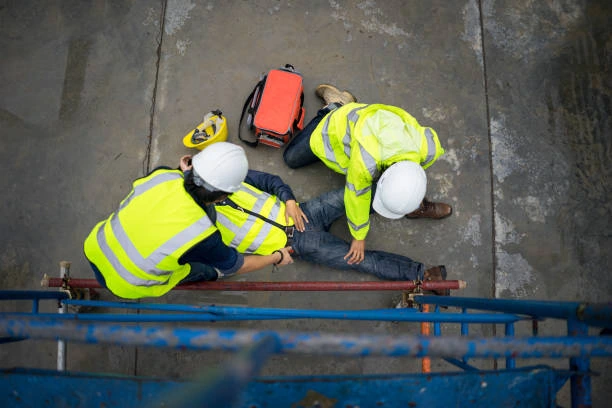
Slip and Fall Injury at Work: What to Do
If you suffer a slip and fall injury at work, you may have additional questions concerning reporting procedures and resuming regular job tasks.
What to do if you are injured at work. First, as soon as possible, tell your supervisor. Complete all essential workplace documents. Follow healthcare professional suggestions. Informing employers of the temporary work limits can also help facilitate a safer return to their everyday tasks.
Sometimes if you don’t treat a job injury or wait to have it looked at, it can take a longer time to recover.
Slip and Fall Treatment Options
The right slip and fall therapy will depend upon the specific type of damage you have. Some people benefit from rest and moderation of activities, while others require physical rehabilitation or continuing supervision.
Treatment plans are often individualized based on the type and severity of the injury. The goals of care typically include reducing pain, restoring mobility, improving strength, promoting tissue healing, and helping individuals safely return to their normal activities, including work responsibilities when appropriate.
Conclusion
Taking symptoms seriously, documenting the incident carefully, and seeking timely medical evaluation can help reduce the risk of long-term complications. If you’ve experienced a slip and fall injury, especially if symptoms persist or worsen, consulting a healthcare professional can provide clarity about your condition and help you move forward with an appropriate recovery plan.
People can take an active role in recovery and minimize their risk of long-term problems by recording what happened, watching for symptoms after a fall, and seeking appropriate care.
FAQs:
What are delayed symptoms after a fall?
Delayed symptoms after a fall may include headaches, neck pain, back pain, dizziness, numbness, fatigue, or difficulty concentrating. These symptoms can develop hours or days after the initial incident.
What is post-fall syndrome?
Post-fall syndrome refers to the fear and anxiety that some individuals experience after a fall. This concern can lead to reduced activity levels and hesitation about returning to normal routines.
Can slip and fall injuries worsen if left untreated?
Yes. Certain injuries, including soft tissue damage and head injuries, may become more severe without appropriate evaluation and management.
How can you heal quickly after a slip and fall injury?
Following medical advice, attending recommended appointments, getting adequate rest, and avoiding activities that aggravate symptoms can support recovery.
What are the four things you should avoid immediately after a slip and fall injury?
Avoid ignoring symptoms, delaying medical evaluation, returning to strenuous activities too soon, and failing to document the incident appropriately.